现货黄金英文介绍简短版

来源于:本站

发布日期:2026-05-08

A Brief Introduction to Spot Gold

Spot gold, often referred to simply as gold, is a highly sought-after precious metal that has been a symbol of wealth and a medium of exchange for thousands of years. In the modern financial markets, spot gold represents the current market price at which gold can be bought or sold for immediate delivery. This article will delve into the characteristics, trading mechanisms, and significance of spot gold in today’s economy.

What is Spot Gold?

Spot gold is defined as the price of gold for immediate delivery and settlement. Unlike futures contracts, where the delivery of the asset occurs at a later date, spot gold transactions are settled "on the spot." The price of spot gold fluctuates based on supply and demand dynamics in the global market, influenced by various factors including geopolitical stability, currency strength, and economic indicators.

Characteristics of Spot Gold

1. Liquidity: Spot gold is one of the most liquid assets in the world. The high demand for gold ensures that traders can buy and sell it easily. This liquidity makes gold a preferred choice for investors seeking to diversify their portfolios.

2. Global Market: Gold is traded globally, with major markets in New York, London, and Hong Kong. The London Bullion Market Association (LBMA) sets the benchmark prices for gold trading, which are used worldwide.

3. Standardization: Gold is traded in troy ounces, with one troy ounce equating to approximately 31.1 grams. This standardization simplifies trading and ensures consistency in pricing.

4. Accessibility: Investors can access spot gold through various means, including gold ETFs (Exchange-Traded Funds), futures contracts, and direct purchases of physical gold bars or coins.

Trading Mechanisms

The trading of spot gold can be conducted through various platforms, including online trading platforms and traditional brokerage firms. Traders can engage in spot gold trading through the following methods:

1. Over-the-Counter (OTC) Trading: Most spot gold transactions occur over-the-counter, meaning they are conducted directly between parties without a centralized exchange. This allows for greater flexibility in terms of pricing and transaction volume.

2. Exchange-Traded Funds (ETFs): Gold ETFs allow investors to buy shares that represent physical gold. This method provides exposure to gold without the need to handle the physical asset.

3. Futures Contracts: While spot gold pertains to immediate transactions, futures contracts are agreements to buy or sell gold at a predetermined price at a specific future date. Traders often use futures to hedge against price fluctuations in the spot market.

Factors Influencing Spot Gold Prices

1. Economic Conditions: Gold is often viewed as a safe-haven asset during economic downturns. When economic uncertainty rises, investors flock to gold, driving up its price.

2. Interest Rates: Gold does not yield interest or dividends; therefore, when interest rates are low, the opportunity cost of holding gold decreases, making it more attractive to investors.

3. Inflation: Gold is traditionally seen as a hedge against inflation. When inflation rates rise, the purchasing power of fiat currencies declines, leading investors to seek refuge in gold.

4. Geopolitical Tensions: Political instability and conflicts can lead to increased demand for gold as a secure investment. Events such as wars or significant political changes often result in spikes in gold prices.

Conclusion

Spot gold remains a vital component of the global financial system, serving as a barometer for economic stability and investor confidence. Its unique characteristics, including liquidity, accessibility, and its status as a haven asset, solidify its position in diversified investment portfolios. As markets continue to evolve, the allure of spot gold will likely endure, making it a cornerstone of wealth preservation for generations to come. Whether you are a seasoned investor or a newcomer to the market, understanding the dynamics of spot gold is essential for navigating the complexities of today's economy.
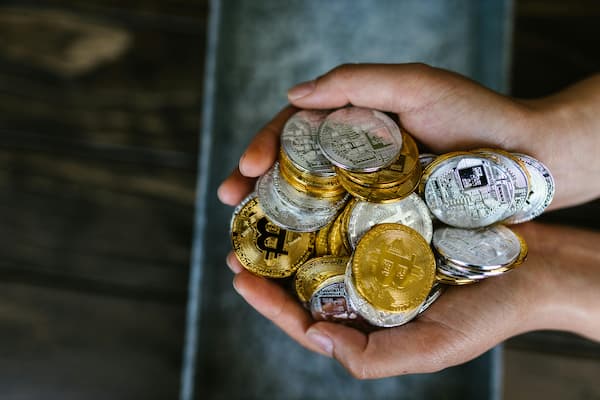
 现货黄金英文介绍简短版

温馨提示:本站所有文章来源于网络整理,目的在于知识了解,文章内容与本网站立场无关,不对您构成任何投资操作,风险 自担。本站不保证该信息(包括但不限于文字、数据、图表)全部或者部分内容的准确性、真实性、完整性、原创性。相关信 息并未经过本网站证实。


现货黄金英文介绍简短版

展开全文

A Brief Introduction to Spot Gold

Spot gold, often referred to simply as gold, is a highly sought-after precious metal that has been a symbol of wealth and a medium of exchange for thousands of years. In the modern financial markets, spot gold represents the current market price at which gold can be bought or sold for immediate delivery. This article will delve into the characteristics, trading mechanisms, and significance of spot gold in today’s economy.

What is Spot Gold?

Spot gold is defined as the price of gold for immediate delivery and settlement. Unlike futures contracts, where the delivery of the asset occurs at a later date, spot gold transactions are settled "on the spot." The price of spot gold fluctuates based on supply and demand dynamics in the global market, influenced by various factors including geopolitical stability, currency strength, and economic indicators.

Characteristics of Spot Gold

1. Liquidity: Spot gold is one of the most liquid assets in the world. The high demand for gold ensures that traders can buy and sell it easily. This liquidity makes gold a preferred choice for investors seeking to diversify their portfolios.

2. Global Market: Gold is traded globally, with major markets in New York, London, and Hong Kong. The London Bullion Market Association (LBMA) sets the benchmark prices for gold trading, which are used worldwide.

3. Standardization: Gold is traded in troy ounces, with one troy ounce equating to approximately 31.1 grams. This standardization simplifies trading and ensures consistency in pricing.

4. Accessibility: Investors can access spot gold through various means, including gold ETFs (Exchange-Traded Funds), futures contracts, and direct purchases of physical gold bars or coins.

Trading Mechanisms

The trading of spot gold can be conducted through various platforms, including online trading platforms and traditional brokerage firms. Traders can engage in spot gold trading through the following methods:

1. Over-the-Counter (OTC) Trading: Most spot gold transactions occur over-the-counter, meaning they are conducted directly between parties without a centralized exchange. This allows for greater flexibility in terms of pricing and transaction volume.

2. Exchange-Traded Funds (ETFs): Gold ETFs allow investors to buy shares that represent physical gold. This method provides exposure to gold without the need to handle the physical asset.

3. Futures Contracts: While spot gold pertains to immediate transactions, futures contracts are agreements to buy or sell gold at a predetermined price at a specific future date. Traders often use futures to hedge against price fluctuations in the spot market.

Factors Influencing Spot Gold Prices

1. Economic Conditions: Gold is often viewed as a safe-haven asset during economic downturns. When economic uncertainty rises, investors flock to gold, driving up its price.

2. Interest Rates: Gold does not yield interest or dividends; therefore, when interest rates are low, the opportunity cost of holding gold decreases, making it more attractive to investors.

3. Inflation: Gold is traditionally seen as a hedge against inflation. When inflation rates rise, the purchasing power of fiat currencies declines, leading investors to seek refuge in gold.

4. Geopolitical Tensions: Political instability and conflicts can lead to increased demand for gold as a secure investment. Events such as wars or significant political changes often result in spikes in gold prices.

Conclusion

Spot gold remains a vital component of the global financial system, serving as a barometer for economic stability and investor confidence. Its unique characteristics, including liquidity, accessibility, and its status as a haven asset, solidify its position in diversified investment portfolios. As markets continue to evolve, the allure of spot gold will likely endure, making it a cornerstone of wealth preservation for generations to come. Whether you are a seasoned investor or a newcomer to the market, understanding the dynamics of spot gold is essential for navigating the complexities of today's economy.

 现货黄金英文介绍简短版

__BASE64_5byA5oi36aKG5Y+W__ __BASE64_JDExMDAw__ __BASE64_6LWg6YeRKw==__ __BASE64_NTA=__ __BASE64_5YWD57qi5YyF__